

In 2025, India added enough solar capacity to power 28 million homes and then threw a significant chunk of it away. Economists have a standard explanation for why developing countries like India still depend on coal: the Environmental Kuznets Curve, which says every nation has to go through a dirty phase before it can afford to clean up. But India has the money, the technology, and the political will to transition and is still discarding clean energy on sunny afternoons. The problem isn't ambition. It's that the grid India built on the way up is now the thing holding it back.
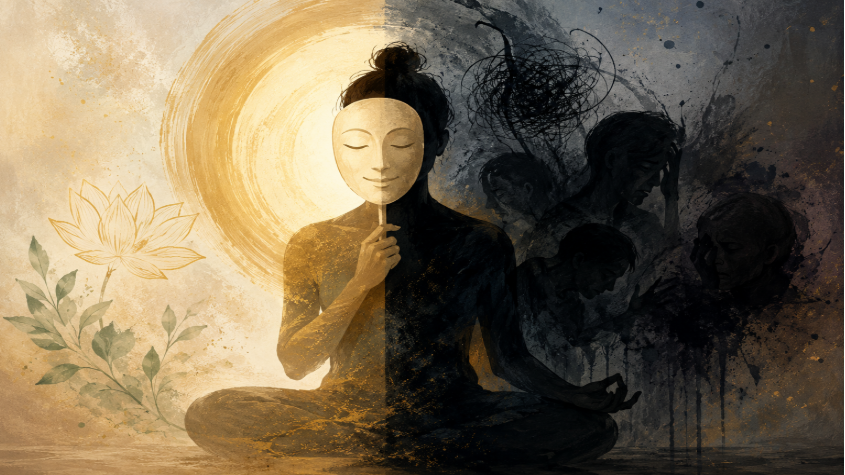
Healing or Hiding? Understanding Spiritual Bypassing
Spirituality is often regarded as a path to healing, self growth and discovery. However, in the age of "positive vibes only" culture, there is growing evidence of spiritual beliefs being used to avoid difficult emotions rather than processing them. This phenomenon called Spiritual Bypassing, occurs when spirituality is used as a shield against experiencing pain, grief, anger or vulnerable emotions. Through the blog, the readers will be allowed to understand the difference between embracing emotions and escaping them, differentiate between genuine healing and hiding behind the mask of spirituality, or let's say between spirituality and spirituality bypassing.
Mental Health Impact of Marital Rape Decriminalization in India
Despite widespread acknowledgment of its psychological consequences and violation of basic human rights, marital rape is still not recognised as a criminal offence under the Bharatiya Nyaya Sanhita (BNS). This blog examines the mental health implications of this legal omission, synthesizing findings from psychological, legal, and sociocultural research. Four interconnected factors contribute to worsening mental health outcomes among survivors: absence of legal recognition, cultural victim-blaming, social and institutional invalidation, and insufficient access to trauma-informed support. Together, these factors increase risks of depression, PTSD, anxiety, and long-term emotional distress, highlighting the urgent need for survivor-centered legal reforms and increased mental health resources.