
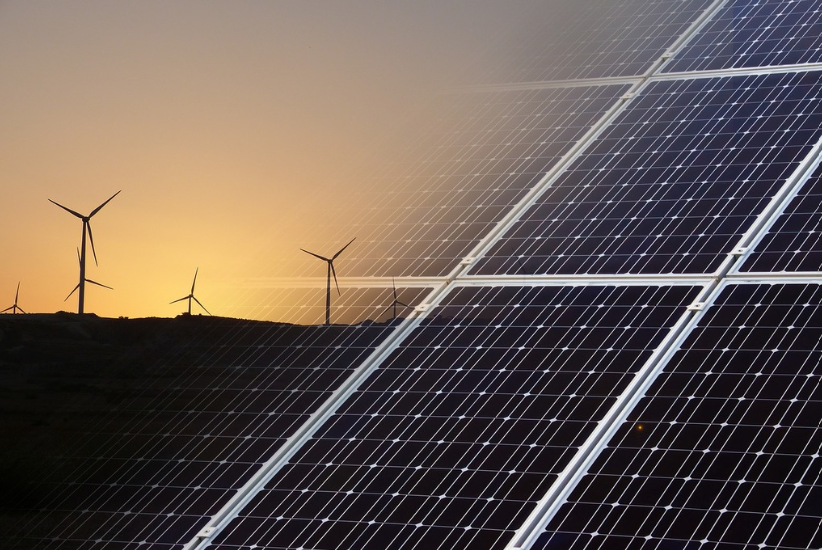
In 2025, India achieved a milestone by generating 38 gigawatts of solar power and this is considered to be one of the largest solar expansions on the planet. To put this into perspective, the energy generated is enough to power roughly 28 million homes. If this solar energy was used, then it would have prevented 2.11 million tonnes of carbon dioxide from entering our atmosphere. However, a large part of this clean energy was wasted, meaning neither used nor stored, because of grid transmission bottlenecks. This happened because power grid operators intentionally disconnected or reduced the intake from solar plants, meaning electricity generated simply vanished into the ground instead of going into the grid. This was due to low capacity transmission grids. If we keep building solar panels without upgrading the grid to absorb the power, we are spending money on energy that will literally go to waste.
On one hand India is praised as a global leader in renewable energy and on the other, it remains one of the world’s largest consumers of coal. According to the MoSPI Energy Statistics India 2026 report, India’s 79% of domestic electricity needs are fueled by coal. At the same time, India continues to approve and build brand new coal power plants even when their aim is to hit “net-zero” carbon emissions by 2070. There are 2 perspectives to this situation. From an optimistic perspective, India is tackling the energy development needs of its growing population and from a critical view, India is putting up a facade in front of the international audience. However, it would appear that there is a third explanation provided by economists that offers a new perspective on the green transition.
This is explained by the Environmental Kuznets Curve (EKC). It is an upside-down U shaped curve that shows when a poor nation begins to develop its economy, pollution initially gets worse. This happens because the fastest way to build factories, create industrial jobs and lift citizens out of poverty is to burn cheap, reliable fossil fuels like coal. So according to this theory, every country has to pass through the “dirty phase” before it can afford clean energy.
Every wealthy nation on Earth has passed through these phases. The United States, the United Kingdom and Germany have burned a lot of coal for decades to fuel their industrial revolutions before they actually started investing in green technologies. Looking at this, India is currently building coal plants, and according to EKC it is at the earlier stages and it is a completely standard and predictable stage of economic development. At the same time, the average Indian still emits far less carbon than someone living in the US or Europe. And hundreds of millions of people across India still do not have affordable, dependable and reliable electricity every day. This is not a lifestyle choice but a basic need. Rich countries have gone through a period where they got to burn coal for a century in order to build their wealth, and nobody asked them to justify it. From the perspective of climate justice and economic development, demanding that a developing country like India immediately drop fossil fuels overnight is inherently unfair. All of this shows that the EKC framing is not wrong, it just turns out to be incomplete.
The fundamental flaw of the EKC is that it does not distinguish between being ready to transition and actually being able to transition.They are two entirely different problems. By every measure, India is more than ready. Politically, the government has set some of the most ambitious renewable targets of any developing nation. Financially, billions are pouring in annually from both domestic and global sources into solar and wind. The economics have shifted because it is now cheaper to generate solar power than building new coal fired plants across most of the country. If the EKC holds, India should already be on the downward slope of that curve. Yet the reality is completely different, instead of replacing fossil fuels, India is forced to switch off its solar farms. This does not mean that there is lack of ambition or shortage of investment, but the old physical transmission and the old legal contracts are impeding the new clean energy transition.
To see why this is the problem, we need to understand how India’s electrical system was originally wired. The entire grid was explicitly built around coal. Coal plants are designed to run continuously at a steady, unchanging pace, day and night. On the other hand, solar power can be generated only during the day but the requirement increases as the sun sets and solar power is not able to fulfil this requirement. Because of this gap, coal plants must stay fired up, online and ready to handle that heavy evening surge.
The technical problem is that coal plants cannot reduce their output below roughly 55% of capacity without risking failure. So when solar power enters the grid during the day time, the system overloads. Due to this the grid operators are forced to disconnect the solar and discard the clean energy. On top of this, the contractual problem, where state electricity distribution companies signed 25-year agreements with coal plants decades ago, guarantees a fixed payment regardless of how much electricity is actually generated. Even though renewable energy is now cheaper per unit, it does not save utilities any money because they are still legally bound to pay for coal. Contractual agreements make it difficult for utility companies to bear the switching costs. Thus, one of the key chokepoints remains these institutional and regulatory arrangements.
The EKC included that countries are willing to transition but it never included if the system was capable of following through. India is not stuck because it lacks the desire to go green. It is stuck because the grid that was built, to bring them up the curve, may actually be slowing the growth down. This mainly focuses on long-term contracts, inflexible coal plants, and infrastructure designed that does not absorb the renewable energy at scale. Fixing this requires a different kind of policy conversation at the central level. Setting ambitious targets or adding capacity alone will not resolve these structural hurdles, as seen in regions like Germany and parts of the US, successfully integrating renewables requires proactive grid modernization, dynamic Power Purchase Agreements (PPAs), and aggressive investment in energy storage to manage variability. India does not need more solar panels. It needs a grid that stops throwing them away.
Netra Damani
