What’s New at Prayogshala
Hansika co-authored a paper titled ‘Predicting Creativity from Personality Traits and Overexcitabilities: Cross-Cultural Evidence from Lebanon and the United States.’ Read more here!
Hansika, Sarah, Apoorva, and Tithi co-authored a paper titled ‘Development and Behavioral Validation of the Dark Creativity Deception Battery (DCDB)’ with Corinna and James. Read more here!
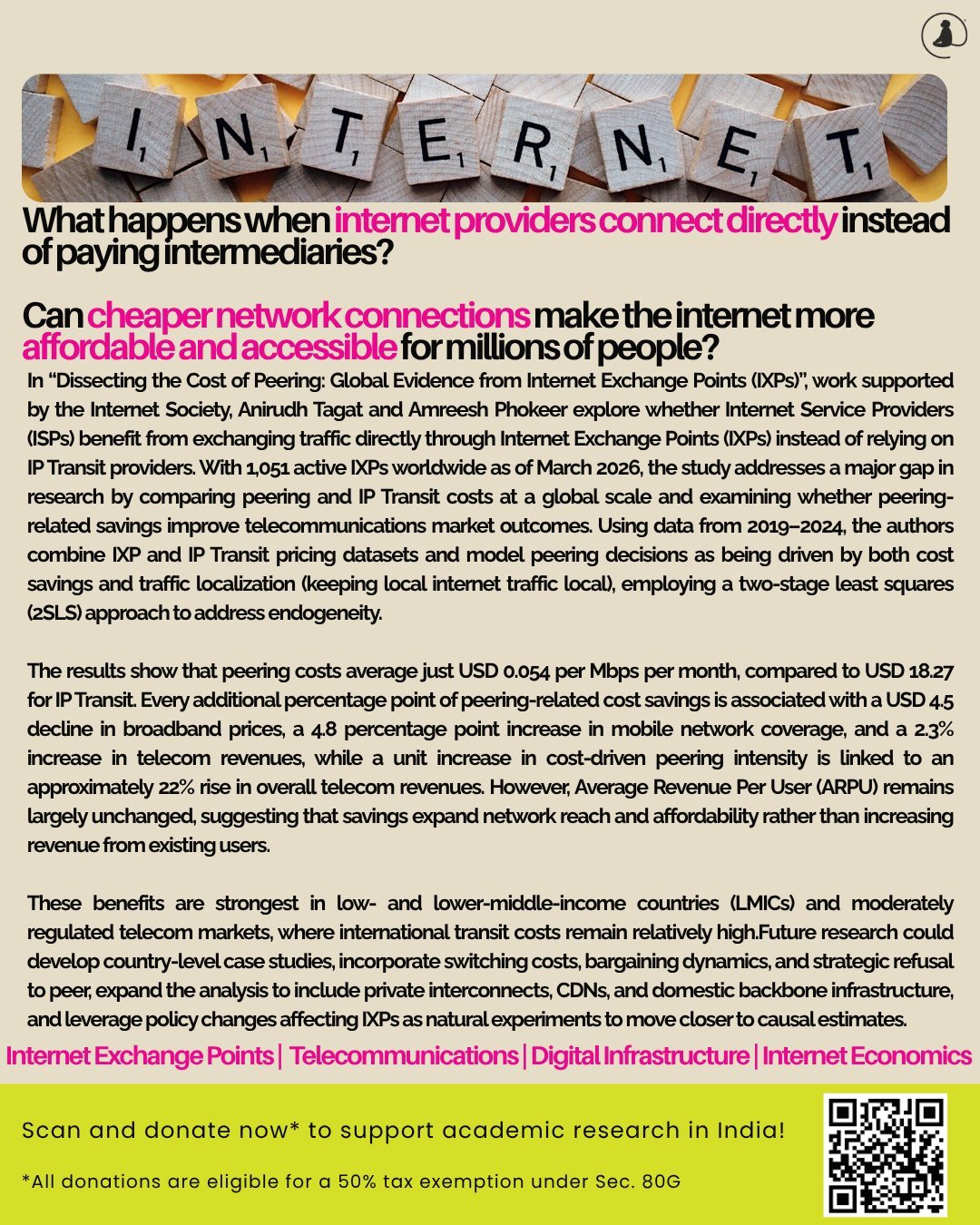
Anirudh co-authored a paper ‘Dissecting the cost of peering: Global evidence from internet exchange points (IXPs)’ with Amreesh Phokeer. Read more here!
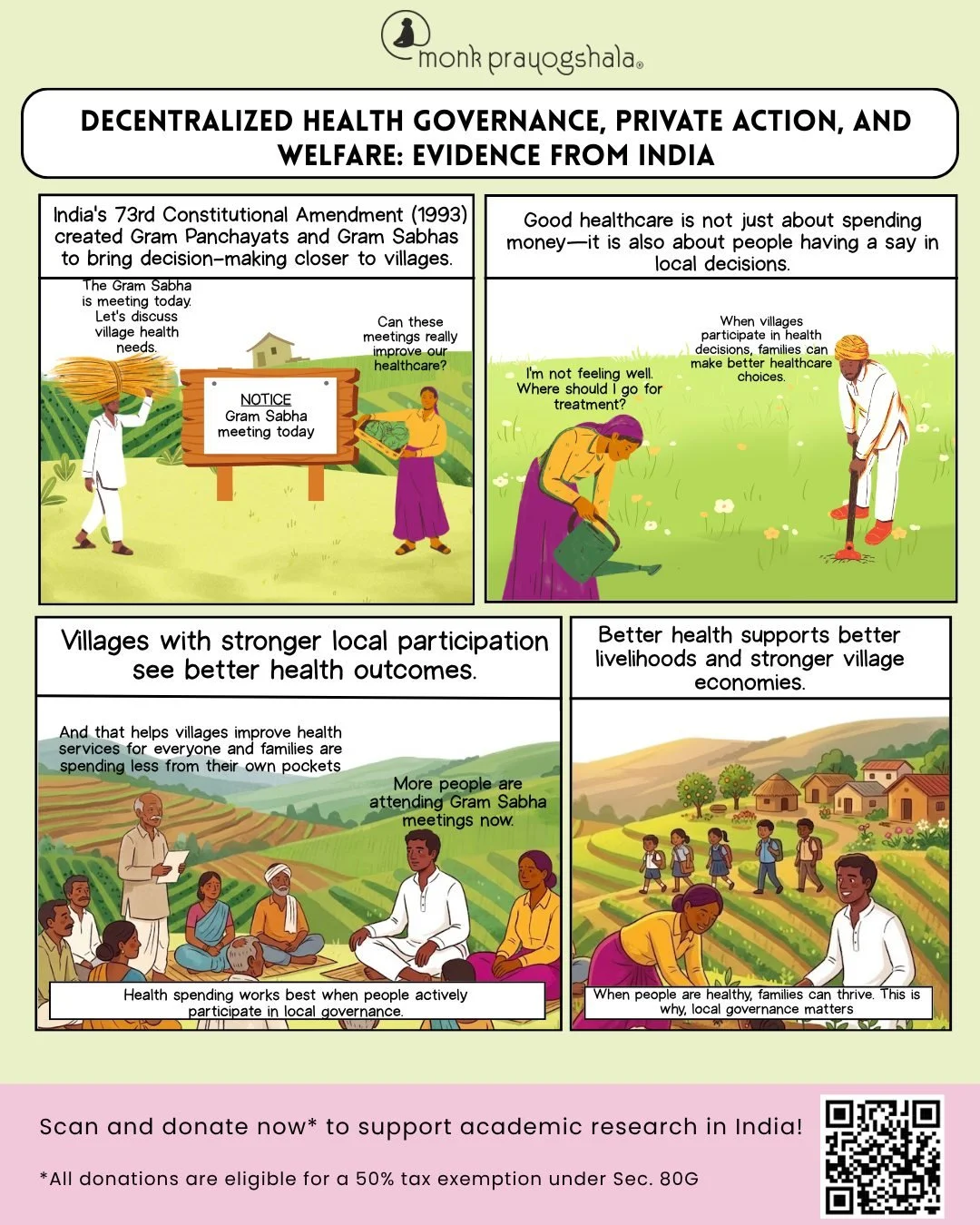
Anirudh co-authored a paper ‘Decentralized health governance, private action, and welfare: evidence from India.’ Read more here!
Sarah and Hansika co-authored chapter 2, ‘What Is the Nature of the Creative Person?’ of the book ‘The Seven C’s of Creativity.’ Read more here!
Zainab Participated as a policy contributor and research representative at the National Level Consultative Meeting on “Digital Technologies for Mental Health: Evolving Policy and Regulatory Recommendations for Safe Use” at Bangalore, National Institute of Mental Health & Neurosciences (NIMHANS).
Hansika co-authored a paper, ‘Mental Health Symptoms and Coping in Rural Maharashtra, India – A Telephonic Survey.’ Read more here!
Hansika, Arathy, Anirudh, Nikita, and Akshaya replicated and reproduced findings of major studies in social and behavioural sciences. Read more here!
Hansika, Arathy and Anirudh replicated and reproduced findings of major studies in social and behavioural sciences. Read more here!
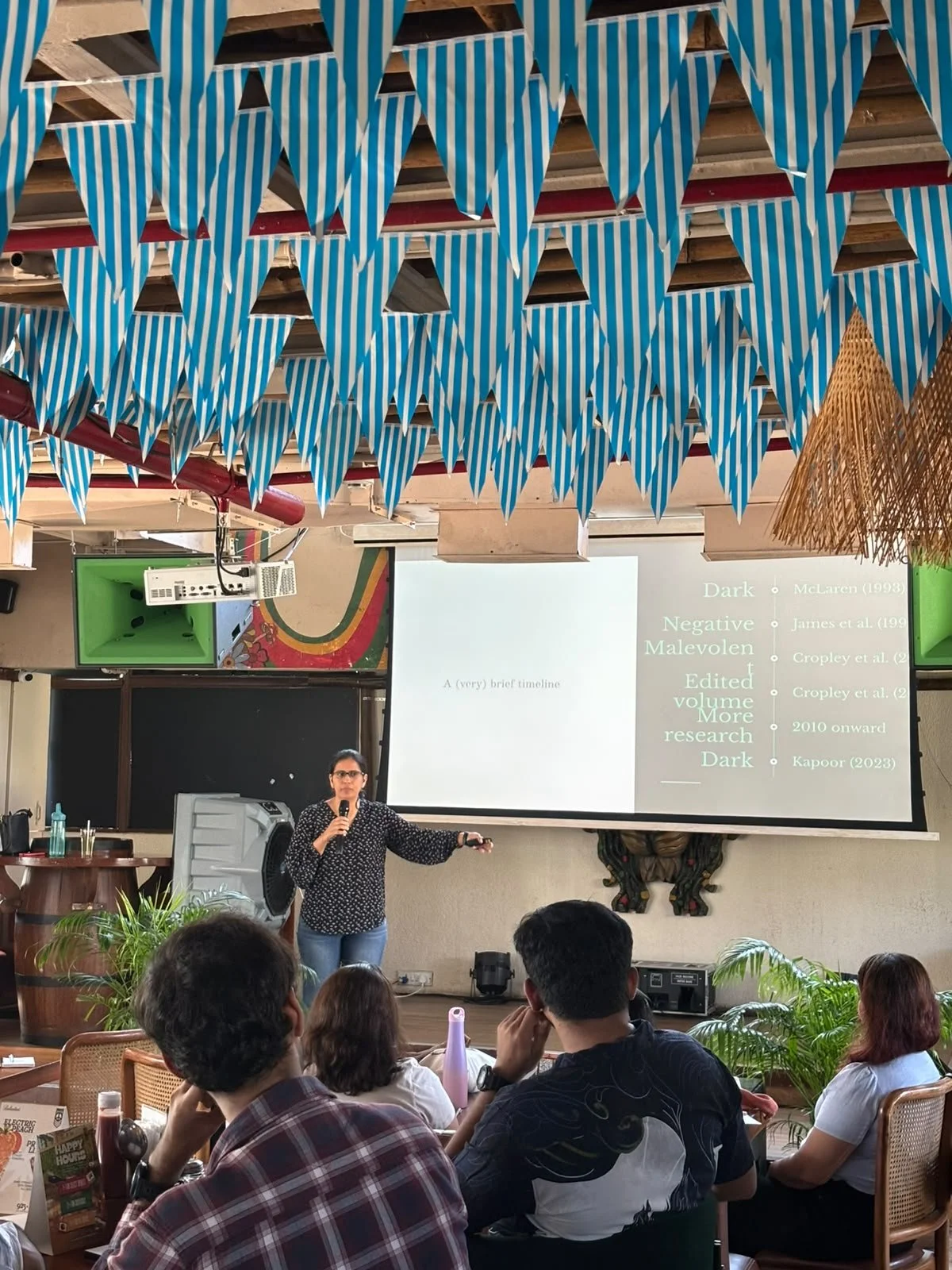
Sarah presented a talk on “Who is a Creative Person, Really?” at the ARISA foundation’s Unconference 2026 held in Pune.
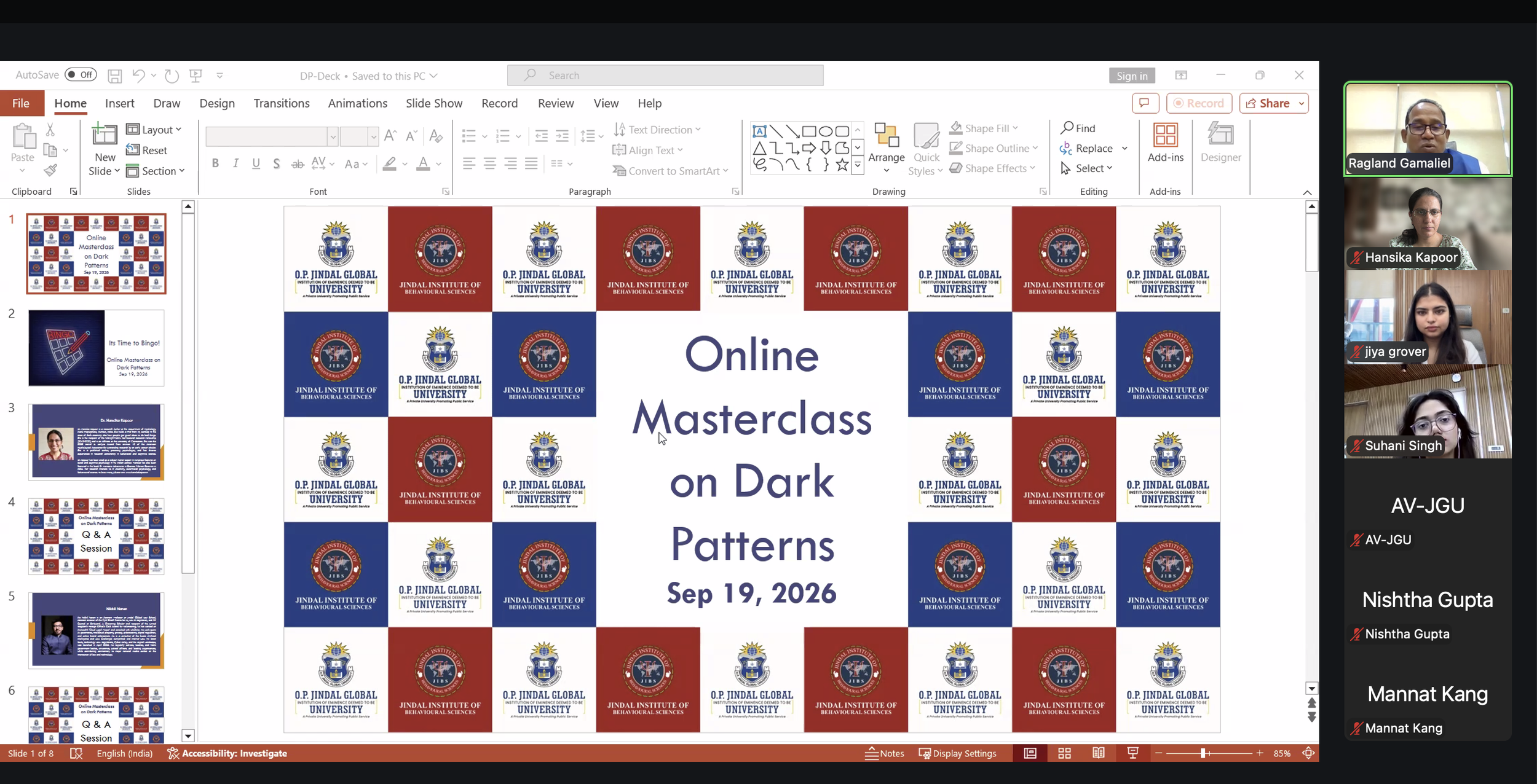
T. Roy shared our reflection from the webinar series we conducted on 'Decolonising Cross-Cultural Psychology’ at the EDUCATE forum by IACCP.
Sarah and Hansika wrote about ‘Counterproductive Work Behavior and Dark Creativity.’ Read more here!
Zainab gave a talk on ‘ Doing Research in Constrained Contexts: A Feminist and Decolonial Perspective’ at Sophia College in Mumbai on February 20th, 2026.
Anirudh and Hansika wrote an article about the cultural nuances in the TV show “Pluribus.” Read more here!
Hansika was featured on ‘The Global Creativity Initiative Podcast’ in season 3, episode 9, ‘Creativity is Bold.’ Check it out here!
Arathy, Sarah, Nikita, Hansika and Nishtha co-authored a paper on ‘Helpful or not? Inaccurate appraisals of prosociality in the dark triad’ Read more here!
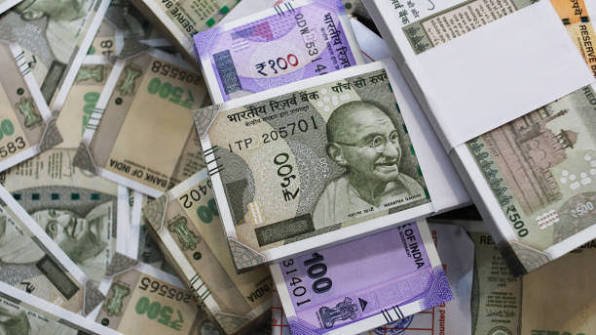
Netra and Ishita wrote an article titled ‘Balancing Growth and Stability: MSMEs as Fiscal Drivers’ for the MEDC Economics Digest 2026. Read more here!
Anirudh presented his paper on ‘EnergyBot: Behavioural interventions to reduce peak-time energy demand in India’ at the Behavioural Research in Economics Workshop (BREW-ESA) at MDI Gurgaon.
A trend in modern culture has pushed young people towards materialistic lifestyle choices, due to which some tend to show narcissism. The term ‘narcissism’ was derived from the Greek mythology of Narcissus. Narcissism is a dark, negative trait and is divided into two categories: grandiose and vulnerable. In life, two types of goals can be pursued: intrinsic or extrinsic. Narcissistic people find more meaning in materialistic pursuits. Studies further explain the impact of narcissism on young people.
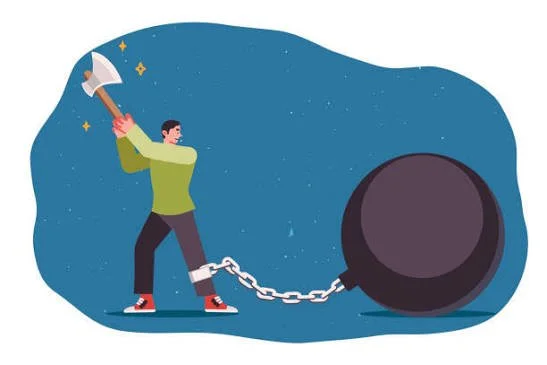
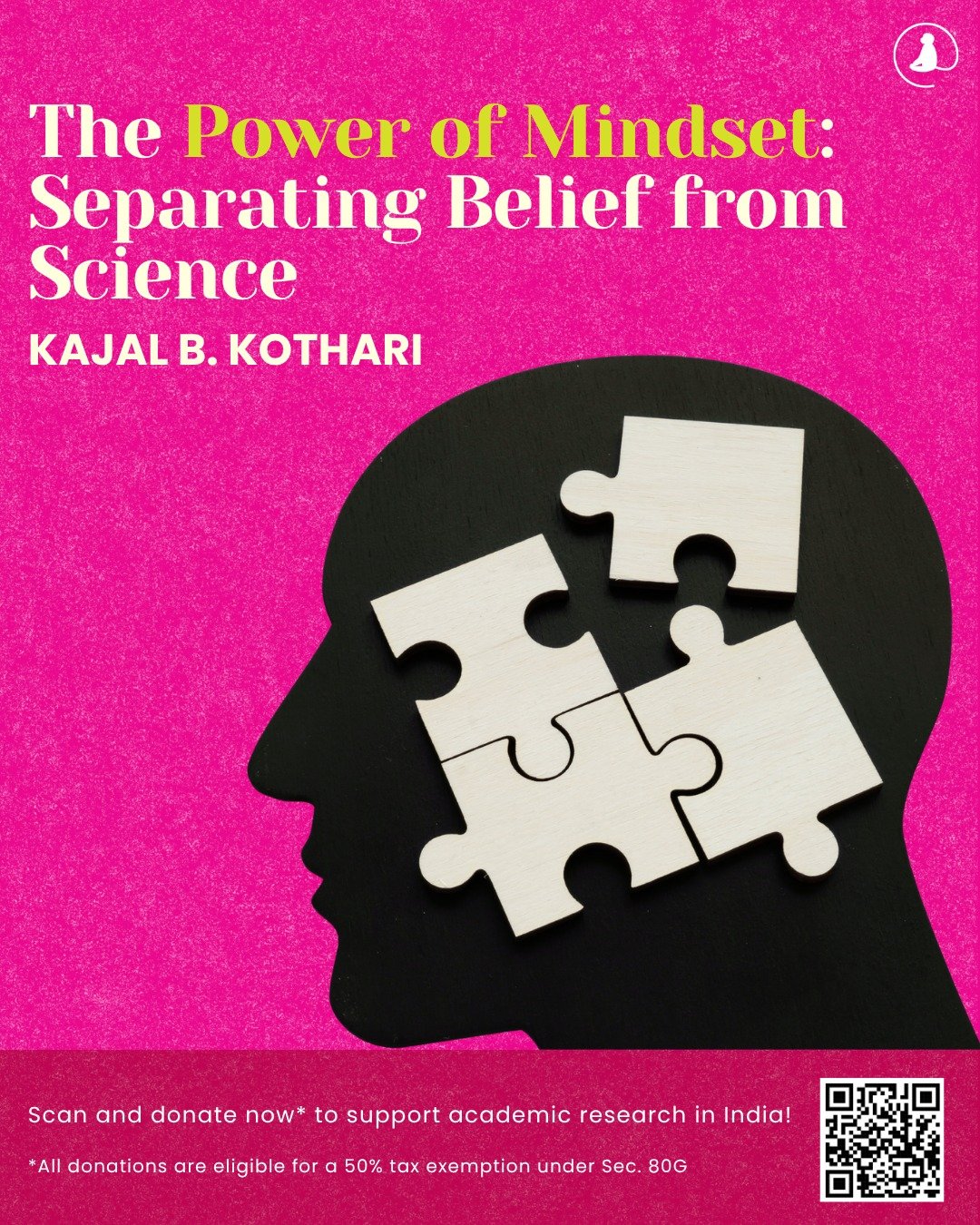
Why do some people consistently move toward their goals while others feel stuck? This blog explores the real role of mindset, separating evidence-based concepts such as self-efficacy from popular beliefs like the Law of Attraction. Rather than “attracting” success, mindset shapes how we act, persist, and respond to challenges. Grounded in psychology, it highlights how realistic thinking, effort, and resilience, not wishful positivity, drive meaningful and sustainable outcomes.
Don't have time to attend a workshop at Prayogshala? Join our Digital Courses instead!
Monk Prayogshala presents a digital certificate course on Research Methodology and Statistical Reasoning
Monk Prayogshala presents a digital certificate course on Behavioral Economics.

Monk Prayogshala’s study “Child Artists in India: An Exploratory Study in Mumbai,” funded by CRY - Child Rights and You was featured in the article ‘Why the Supreme Court’s observation on child labour is a timely reminder’ in The Week. Read more here!