

Google+

Autonomy Measurement Illusion: Relational Influences on Indian Women’s Freedom

Autonomy Measurement Illusion: Relational Influences on Indian Women’s Freedom

Autonomy has long been measured as independent decision-making, built largely on Western samples. For Indian women, however, autonomy is negotiated within their families. Their own wishes come after those of their husbands and children, and sacrificing their desires for the good of the family has become the norm. This blog describes how this is a fundamental mismeasurement error of women’s agency, where relational determinants are eliminated rather than accommodated. 
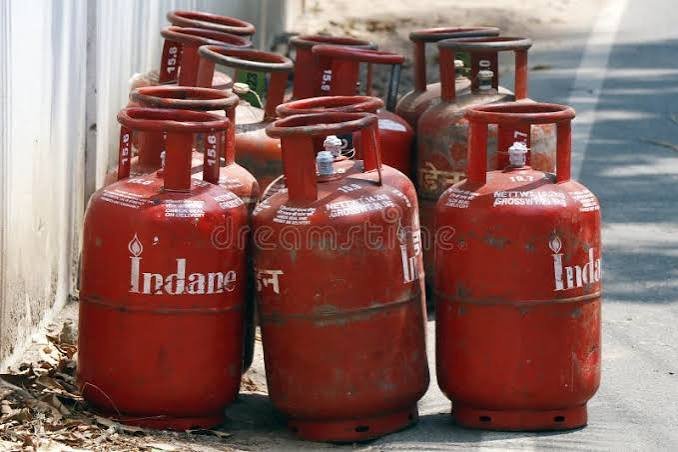
LPG and West Asia Crisis

LPG and West Asia Crisis

The effects of the conflict in West Asia have reached far beyond the region and ripple into the kitchens of a lot of India’s households. Given that India imports 60% of its LPG, with 90% sourced from the Middle East, even a slight disruption along the Strait of Hormuz can tremendously affect the availability and prices of the clean cooking gas. In response, the rural households may immediately switch from clean cooking gas to the traditional fuels. This blog examines how a geopolitical crisis travels from a global chokepoint to households in rural India and how India’s transition to clean cooking gas remains more fragile than it appears.

Process Reforms - Fixing the Nuts and Bolts of the Indian Economy

Process Reforms - Fixing the Nuts and Bolts of the Indian Economy

India's problem is not lack of regulation but over-regulation of standards and procedures which has ramifications over micro as well as macro dimensions of the Indian economy. Policy makers have come with both macro as well as micro solutions to solve the problems of over-regulation in the Indian economy. But what has been importantly sidelined from the literature of public policy and Indian economics is the role that process reforms have played in fixing and enhancing the performance of the Indian economy. The main goal of process reforms is to fix the nuts and bolts of the economy. It involves simplifying regulations and processes to improve the functioning of a scheme, policy, or any particular micro-dimension of the economy. These are targeted changes, small tweaks necessary for the success of giant and structural economic reforms.