
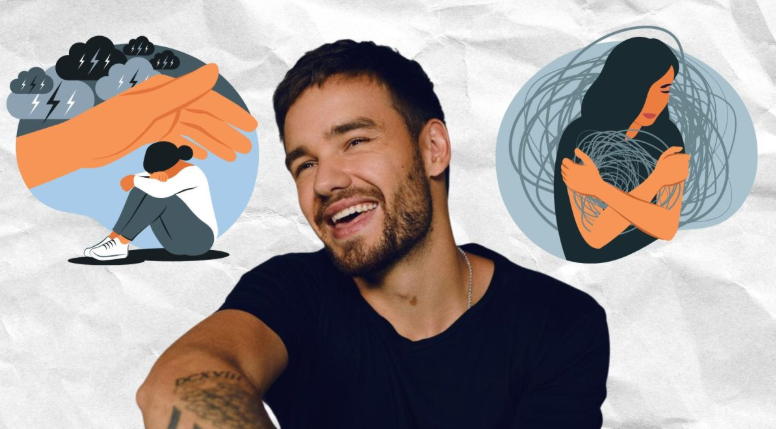
Have you ever cried for hours after a beloved fictional character died? Or felt a strange emptiness after the final season of a favorite series? If so, you’re not alone — and you're not overreacting.
This emotional experience is known as parasocial grief — a grieving state for someone we had a one-way, media-fueled relationship, a very real psychological response to the death of someone we’ve never actually met.
What is Parasocial Grief?
Parasocial grief comes from a parasocial relationship (PSR), which is an intense, one-sided relationship with a media figure (celebrity, influencer, or fictional character). There may not be a mutual interaction, but they feel as real or even intimate as a real-life connection. When the media figure dies or stops engaging with the public, we will experience a parasocial breakup. This can cause real grief responses, distress, shock or longing to some extent.
The Emotional Inner Workings of Parasocial Grief
Two recent studies provided richness in our knowledge regarding the concept. In a study on fans grieving Dr. Lawrence Kutner — a fictional character from House, M.D. after his suicide — fans used a Facebook memorial page as a space to display their expressions of sadness, shock, love, and longing. Many recalled favorite/impactful scenes and advocated for the character by questioning the show's creators' decisions. All of their expressions resonated very closely to memorial page comments provided in the event of a real-life death, suggesting that serious grief reactions may sometimes be elicited by PSRs.
Likewise, another study explored the sociocultural media impact on the global Twitter response to the death of physicist Stephen Hawking. The tweets represented sadness, respect/admiration, longing, and gratitude. Many Twitter users shared their memories, quoted Hawking's words of inspiration, and created tributes of sand art, paintings, and personal blogs. Hashtags such as #RIPStephenHawking and the use of emoji provided regulated means for people to utilize social media and connect across geographical and cultural boundaries to memorialize Hawking through a shared process of communal grief.
Coping and Community in Parasocial Grief
Parasocial grief is often disenfranchised—meaning, it is not ludicrously seen as a “valid” form of grief by society more generally. Mourners may get feedback such as: “But you didn’t even know him/her!" Although painful, parasocial grief has opportunities on social media for processing grief after loss. A Study highlights how communal expression can ease the pain of parasocial breakups, validating the experience and helping people move forward. Thus, both memorial pages on Facebook and Twitter provided fans and the community opportunities to engage in digital death rituals—whether writing tributes, sharing memories, or advocating for the deceased's legacy. In addition to opportunities for individual expressions, social media campaigns provided participants with different forms of community than simply having experienced loss. More specifically, hashtags, art, and tribute shares allowed people to collectively perform grief as well. Beyond these public expressions, other forms also exist, including private mourning through journaling, fan fiction and rewatching shows or listening to music, which are personal rituals to keep the bond with the deceased and provide comfort. These individual rituals mirror traditional grieving behaviors and complement communal support by allowing private emotional processing. And fan communities create a sense of belonging and shared understanding, reducing isolation and validating fans’ grief. Social media thus facilitates both traditional and modern grief stages by providing cathartic emotional release, peer connection and continuing bonds, making parasocial grief a multifaceted process involving both private and communal coping
Why Should We Take It Seriously?
Some might say, “But it is just a TV character. Not a real human!” This thinking, however, misses an important point about how our emotions respond to relationships and attachment. Attachment does not necessarily require physical presence; people form deep emotional bonds with fictional characters, celebrities, or even online figures.. For many reasons, the character may have somehow provided hope, reflection, or basic companionship at a time someone needed it! Grief for a fictional character or a distant celebrity may lack traditional closure (like funerals or social support), which can complicate the healing process. Moreover, if we just ignore or dismiss these losses, we are undermining the way we cope with later loss — at times leading us not to fully appreciate the depths of human attachment and the roles of story in our psychological wellbeing. Parasocial grief has risks. When we rely too much on parasocial relationships, we may substitute them for real-life connections and end up in emotional dependency. Disenfranchisement of this grief—that is, its lack of societal recognition—can increase feelings of loneliness, hinder support seeking and intensify distress. This isolation can delay adaptive mourning and worsen mental health outcomes. Moreover, intense parasocial attachments can trigger negative emotional reactions when the character or celebrity doesn’t behave as we expect or suddenly ‘disappears’ from the media, increasing distress. So acknowledging and validating parasocial grief is important not just for emotional healing but to mitigate the harm of social isolation and disenfranchisement, to support healthier coping and social functioning.
Kaavya Shah
